BUILD FASTER, EARN MORE
How Owlchemy Labs Cut CPI by 95% on Meta Quest
From from $50+ to <$4 CPI — how app promotion campaigns, verified owner targeting, and authentic gameplay turned paid acquisition into a growth engine.
The Quick Version
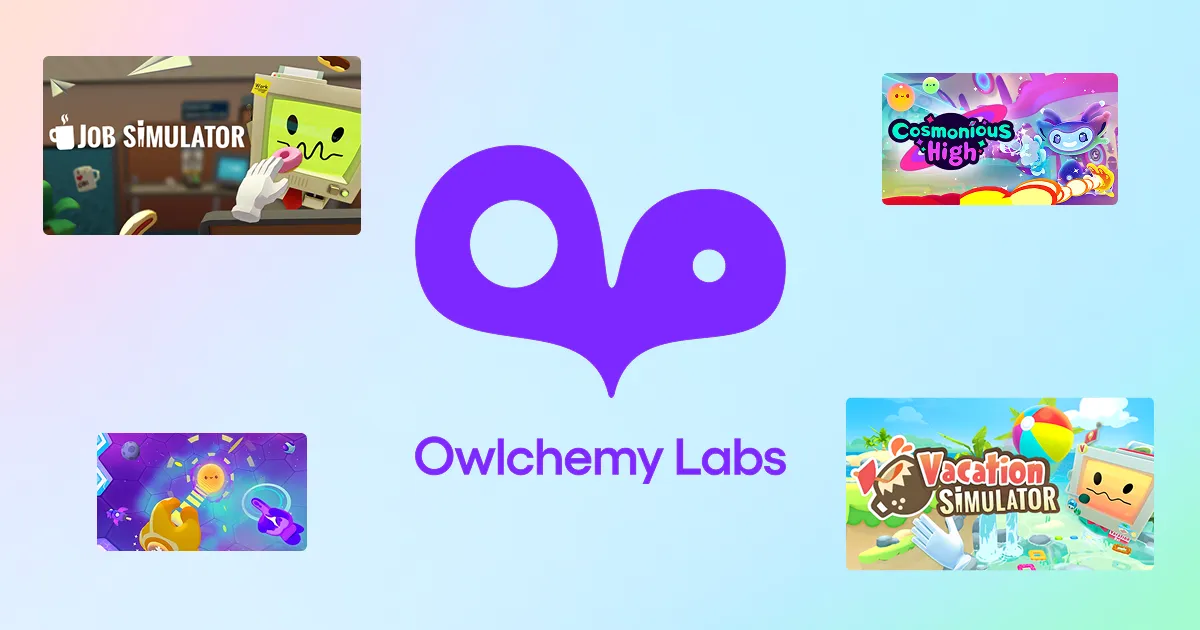
Owlchemy Labs, the studio behind Job Simulator, Vacation Simulator, Cosmonious High, and Dimensional Double Shift went from running inefficient traffic campaigns with $50+ CPI to a lean acquisition engine averaging <$4 CPI. Their most recent optimization, new creatives paired with a 2% Lookalike audience, cut CPI by 20% in a single month. The key: app promotion campaigns, verified Meta Quest owner targeting, and authentic unscripted gameplay as creative.
The Challenge
Owlchemy Labs is a household name in VR. Their colorful, physics-based games helped define the platform's early experience. Job Simulator remains a top seller on Quest. But strong organic recognition doesn't eliminate the need for paid media.
"Organic discovery and word-of-mouth have always been a major strength for Owlchemy, but they naturally reach people who are already connected to the VR ecosystem," said Andrew Liu, Performance Marketing Lead at the studio. "Meta ads give us the ability to proactively reach new audiences, support key business moments like launches and DLC releases, and scale awareness in a more predictable way."
The studio started running ads in 2019, but the early approach relied on traffic campaigns driving users to a landing page that linked to the Quest Store. Click-throughs tanked, cost per click climbed, and CPI sat above $50, sometimes reaching $80+.
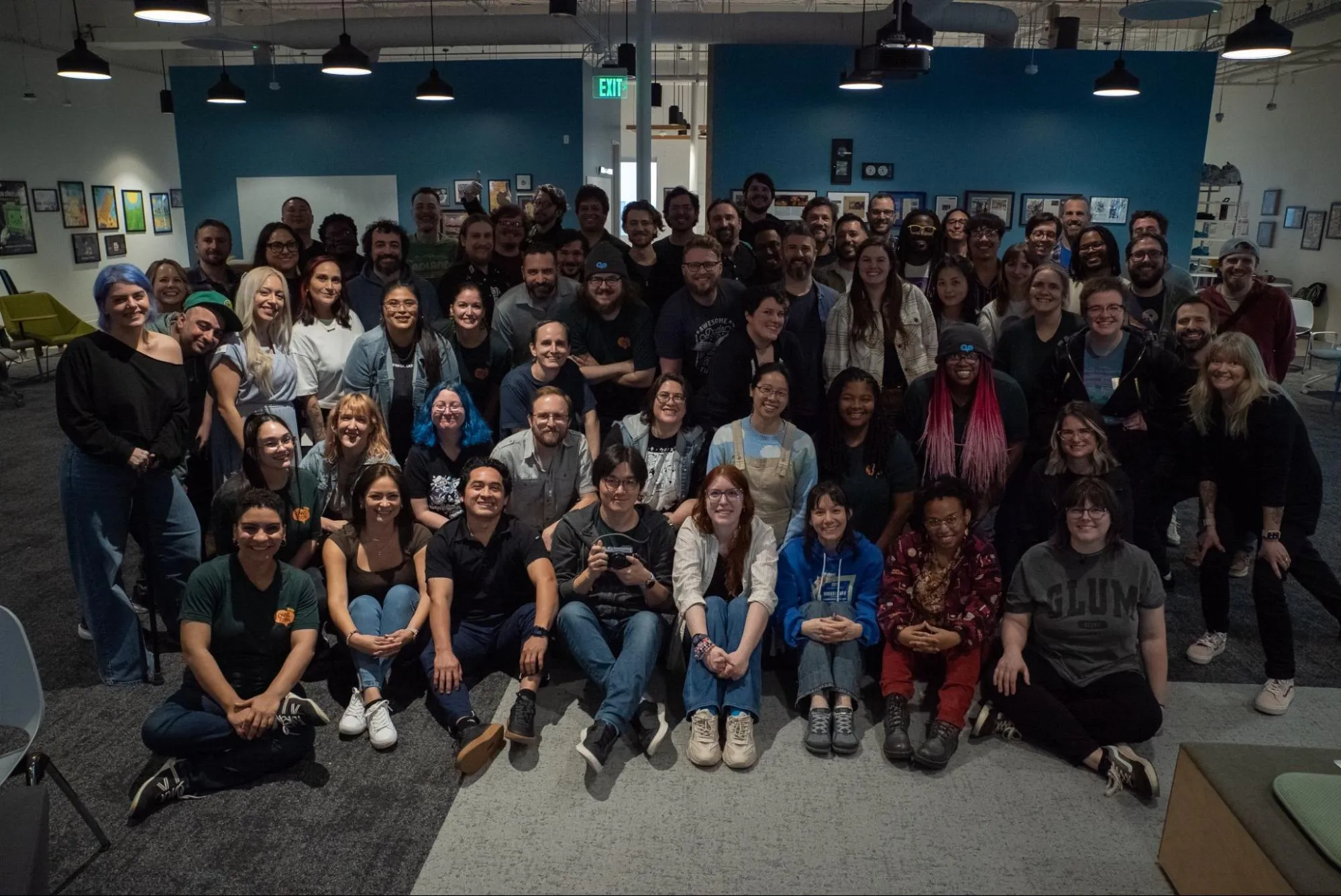
The Owlchemy Labs team, whose iterative approach to paid acquisition on Meta Quest took CPI from $50+ down to <$4, one test cycle at a time.
 We weren't looking to replace organic growth. We were looking to amplify it," Liu said. "The combination of strong organic demand and targeted paid media allows us to grow more efficiently than either channel could on its own.
VR-Specific Challenges
- A smaller but premium audience requires precision. "In mobile and console gaming, you can often rely on massive audiences and broad targeting strategies. In VR, the audience is smaller, so efficiency matters much earlier in the process," Liu said.
- Broad appeal is hard to target. Owlchemy's games are for everyone: parents, kids, experienced VR players, first-time users. Creative needs to be accessible for newcomers while showing the depth that appeals to veterans.
- Premium titles need instant justification. For paid games, you're asking someone to make an upfront purchase decision from a flat-screen ad. Authentic gameplay footage is the fastest way to communicate value.
Owlchemy Labs' approach to communicating VR value in a flat-screen ad: unscripted gameplay that lets the physics-based chaos sell itself.
The Strategy: Right Campaign Type, Right Audience, Right Creative
Owlchemy's turnaround came from three structural changes that compounded together.
App Promotion Campaigns Over Traffic Campaigns
The single biggest shift: moving from traffic campaigns (driving clicks to a website) to app promotion campaigns optimized for installs.
"Early on, we were primarily running traffic campaigns, which helped drive awareness but weren't optimized for the outcomes we cared about most," Liu said. "As we worked more closely with our Meta reps, we shifted to app promotion campaigns optimized for app installs. That allowed us to not only optimize toward installs, but also specifically target Meta Quest owners, making our audience targeting much more precise and ensuring our ad spend was focused on people who could actually play our games."
Verified Meta Quest Owner Targeting
The ability to target verified headset owners changed everything. Every dollar now goes to someone who can actually play the game.
"If there wasn't a Meta Quest owners audience or verified audience, we'd be spending our money blindly and probably not seeing the results we're seeing now," Liu said. "Meta Quest owner targeting has allowed us to be far more intentional with our acquisition strategy, helping us focus on the audience that is most likely to discover, engage with, and enjoy our games."
Cross-Promotion and Lookalike Audiences
With a portfolio of beloved titles, Owlchemy built audiences from purchasers across their catalog to promote other games. Someone who bought Job Simulator is a natural fit for Dimensional Double Shift, the studio's new free-to-play multiplayer title.
"We create audiences from purchasers across our catalog and use those to promote other Owlchemy titles, since there's often strong overlap in player interest," Liu explained. "We also build Lookalike audiences from those purchasers to find new players who share similar characteristics."
Purchaser-based and app installer Lookalikes at 1 to 2% similarity performed strongest. Most recently, a 2% Lookalike audience of DDS installers combined with new creatives cut CPI by 20% in a single month (from $4.46 in April to $3.56 in May).
Two Business Models, Two Strategies
Owlchemy's portfolio spans premium paid titles and a free-to-play game, requiring distinct approaches:
Dimensional Double Shift (free-to-play): Owlchemy's newest title expands their signature formula into multiplayer. Up to four players team up to operate an interdimensional Gas N' Grill, cooking, repairing vehicles, and embracing playful chaos via controller-free hand tracking. The goal is player growth and engagement. "That allows us to focus more on scale, audience growth, and long-term player value rather than just an upfront transaction," Liu said. App install optimization has been the most effective.
Legacy premium titles (Job Simulator, Vacation Simulator, Cosmonious High): "We're focused on driving efficient conversions and supporting key moments like sales periods," Liu said. They optimize for Purchases, concentrating spend around Spring Sale, Summer Sale, Black Friday/Cyber Monday, and the holidays.
"Having an established catalog also gave us a head start," Liu said. "We already understood what audiences and creative themes resonated with Owlchemy players, which helped us test, learn, and optimize much faster than if we were launching a completely new IP."
Creative That Works: Unscripted, Authentic, Fun
Owlchemy's creative philosophy is simple: show the game being fun. Their studio motto, "VR for everyone, no exceptions," shapes every ad.
Video-first, always. "Video-first creative with light, humorous messaging has worked best for us," Liu said. "We focus on authentic gameplay footage that quickly showcases fun, funny, and memorable moments because VR is something players really need to see to understand."
Produced but unscripted. The team records gameplay with no script and captures the natural physics-based chaos. "Sometimes we're carefully controlling the experience, and sometimes we're intentionally not controlling the chaos because those unexpected moments are often what resonate most with players."
Universal appeal, not segmented messaging. "We focus on the universal elements that make our games fun: humor, creativity, accessibility, and player interaction. The goal is to create ads that feel welcoming to anyone interested in VR, regardless of their age or experience level."
"From the makers of Job Simulator" as social proof. "Job Simulator is such a well-known title in VR that it immediately creates familiarity and trust with players. We've seen it perform particularly well across our portfolio because it helps connect new games to an experience players already know and enjoy."
Whether creating a paid ad or growing a community organically on social, Owlchemy Labs lets the gameplay do the talking.
Budget Strategy: New IP Year-Round, Legacy Titles During Sales
- Dimensional Double Shift: Always-on campaigns optimized for installs to continuously grow the player base. Supports DLC releases (Hexas, New Joysey, Sporelando), seasonal events (Summer Camp), and in-app purchase launches (Super Sploosher).
- Legacy premium titles: Budget concentrated around major sales events. "Those are some of our biggest revenue-driving moments," Liu said.
"Each campaign gave us new learnings that we could apply to the next, helping us continuously improve our creative and audience strategy."
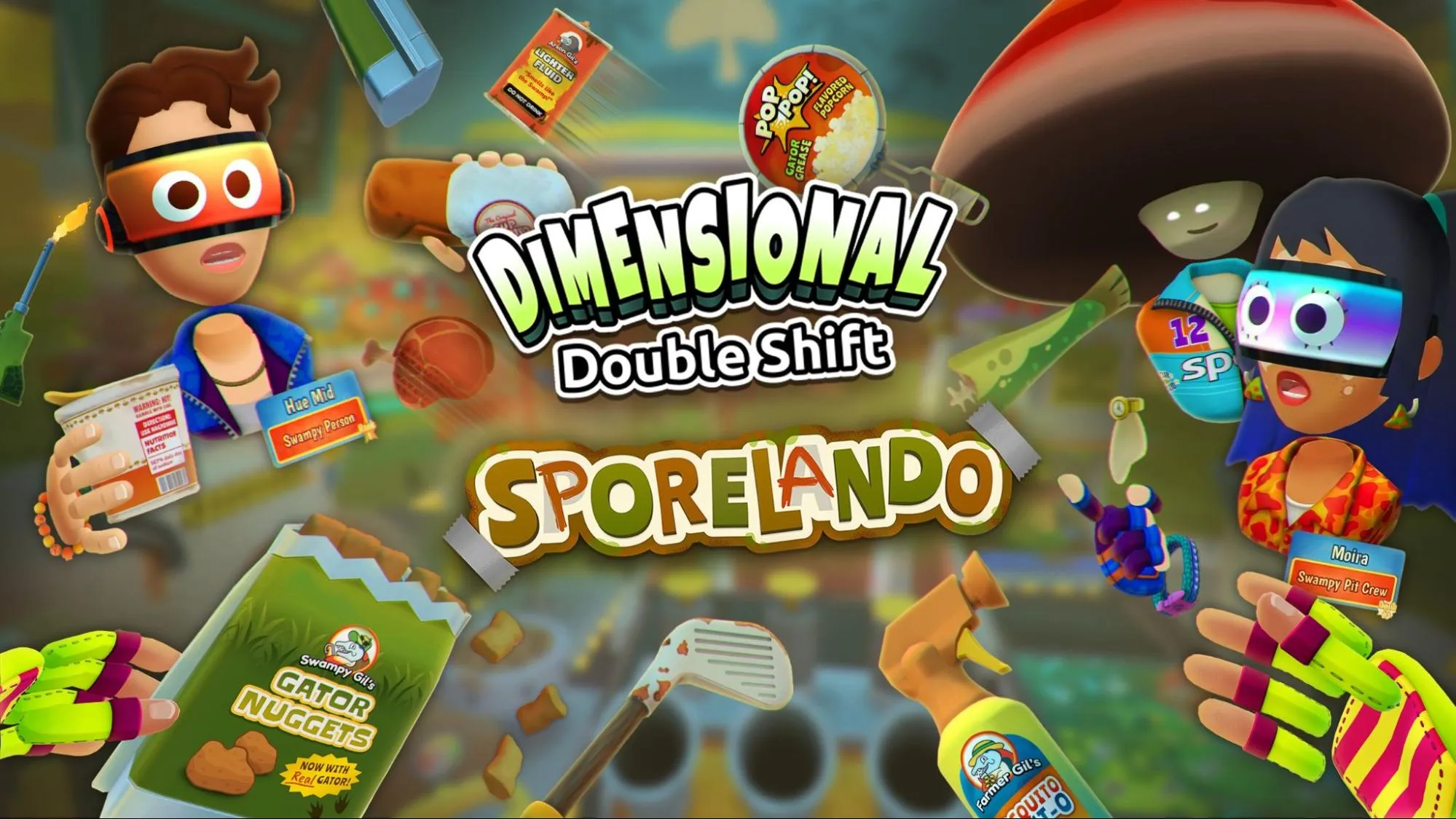
Owlchemy Lab keeps always-on campaigns running year-round for Dimensional Double Shift, with DLC updates like Sporelando giving each push a fresh hook to grow the install base.
The Results
- CPI dropped from $50+ down to <$4 average, a 95%+ reduction through better campaign structure, audience targeting, and creative testing.
- $1.25 lowest CPI achieved during the January new-headset surge.
- 20% CPI reduction in one month (April $4.46 to May $3.56) after implementing new creatives and a 2% Lookalike audience.
- Consistent $3 to $4 CPI range across H1 2026, within the $2 to $7 free-to-play industry benchmark.
- Cross-portfolio halo effect. "When players discover an Owlchemy game they enjoy, they're naturally more likely to explore our other titles, so promoting one game can help drive additional organic discovery and interest across the catalog."
- Growing confidence in paid media. "The team's confidence has grown tremendously over time. We've become much more confident in paid media as a growth channel and now have a much more calculated strategy around creative, messaging, and campaign optimization."
Advice for VR Developers Starting With Ads
Liu's recommendations for studios considering paid acquisition:
1. Don't assume organic success means you don't need ads.
"If you already have a successful catalog, paid advertising can amplify the awareness and goodwill you've already built. The opportunity isn't choosing between organic and paid growth, it's finding ways to make them work together. That's where we've seen some of our strongest results."
2. Treat it as an ongoing process, not a one-time test.
"The biggest mistake is treating paid acquisition as a one-time effort instead of an ongoing process of testing and learning. Some developers launch a campaign, don't see immediate results, and give up too quickly. The studios that tend to succeed are the ones that continuously test creative, messaging, and audiences, then let the data guide their decisions."
3. Build a full funnel.
For new releases, invest in awareness campaigns to build an audience, then conversion campaigns to drive installs or purchases. For catalog titles, start with retargeting to rebuild audience pools, then move into conversion.
4. Keep experimenting.
"Some of our best learnings have come from ideas that weren't obvious on paper. Test new creative, test new messaging, test new audiences like a 3% Lookalike audience. Not every experiment is going to work, and that's okay. Building games and growing an audience takes time, but if you stay curious, keep learning, and continue iterating, those small improvements can compound into big results over time."
Get started with Meta ads
Ready to run ads for your Quest app? These resources will walk you through setup, launch, and optimization:
- Meta Ads for VR: How our advertising tools help you market your app to Meta Quest device users on placements such as Facebook and Instagram.
- Quick start guide: A concise overview for new Meta Quest advertisers.
- Launching your first ad campaign: Once your app is approved and your ad account is set up in the Developer Dashboard, you're ready to launch your first ad.
- Understanding and optimizing your ad campaign: How to understand and optimize your ad campaign after launch.
About Owlchemy Labs
Owlchemy Labs is the VR studio behind Job Simulator, Vacation Simulator, Cosmonious High, and Dimensional Double Shift. A wholly owned subsidiary of Google, they are known for their colorful, physics-based, humor-driven VR experiences designed around the philosophy of "VR for everyone, no exceptions." Their games are available on the Store on Meta Quest and feature controller-free hand tracking with highly interactive environments.
For the latest developer news, subscribe to our monthly newsletter and follow us on X, Facebook, and LinkedIn.
TAGS
Success Stories
Owlchemy Labs
Build Faster Earn More
User Acquisition
Explore more
Hand Physics Lab
Table Troopers

How Owlchemy Labs Cut CPI by 95% on Meta Quest

Support and legal
Support and legal
Support and legal
English (US)
© 2026 Meta